
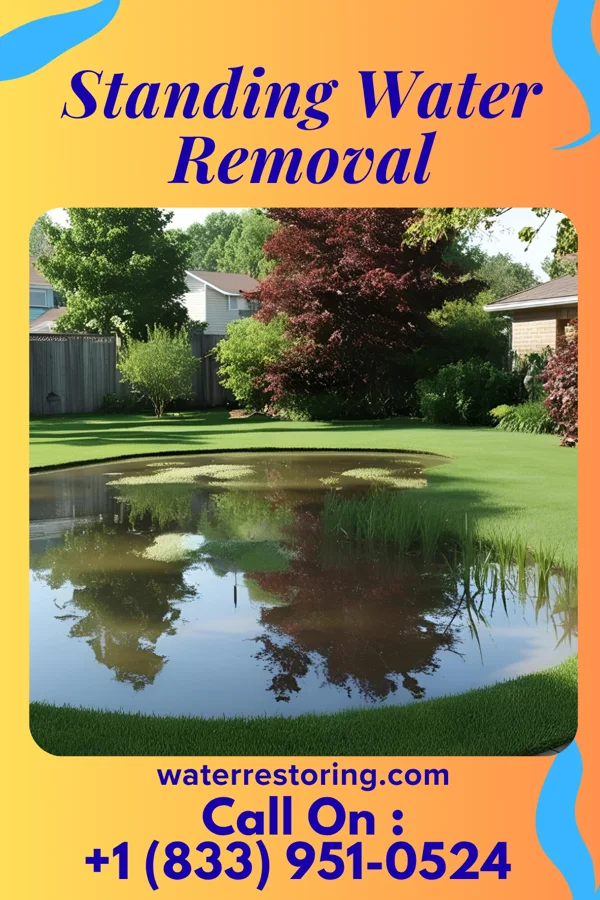
Standing Water Across Valley Forge Neighborhoods
Every neighborhood in Valley Forge has a different water damage risk profile. The one that shows up on most restoration calls is In Valley Forge, Tennessee, water damage often stems from heavy rainfall and flooding due to its rural location and proximity to mountainous terrain. Flash floods from nearby rivers and streams can quickly overwhelm properties, especially during spring thaw or severe weather events.. A close second is Secondary causes include leaking septic tanks, burst pipes in older homes, and groundwater seepage through poorly sealed basements. These issues are common in the area due to aging infrastructure and the region's wet climate..
Valley Forge experiences a humid subtropical climate with frequent thunderstorms and heavy rainfall, increasing the risk of water damage. The area's elevation and surrounding hills can lead to localized flooding, making prompt water removal critical.
Water damage in Valley Forge follows a few local patterns. In Valley Forge, Tennessee, water damage often stems from heavy rainfall and flooding due to its rural location and proximity to mountainous terrain. Flash floods from nearby rivers and streams can quickly overwhelm properties, especially during spring thaw or severe weather events. accounts for the bulk of our calls. Valley Forge experiences a humid subtropical climate with frequent thunderstorms and heavy rainfall, increasing the risk of water damage. The area's elevation and surrounding hills can lead to localized flooding, making prompt water removal critical. Mold can develop rapidly in Valley Forge due to high humidity and frequent moisture exposure. Immediate action is essential to prevent health risks and structural damage, especially in rural homes with limited climate control.